KitchenWise is reader-supported. When you buy through links on our site, we may earn an affiliate commission.
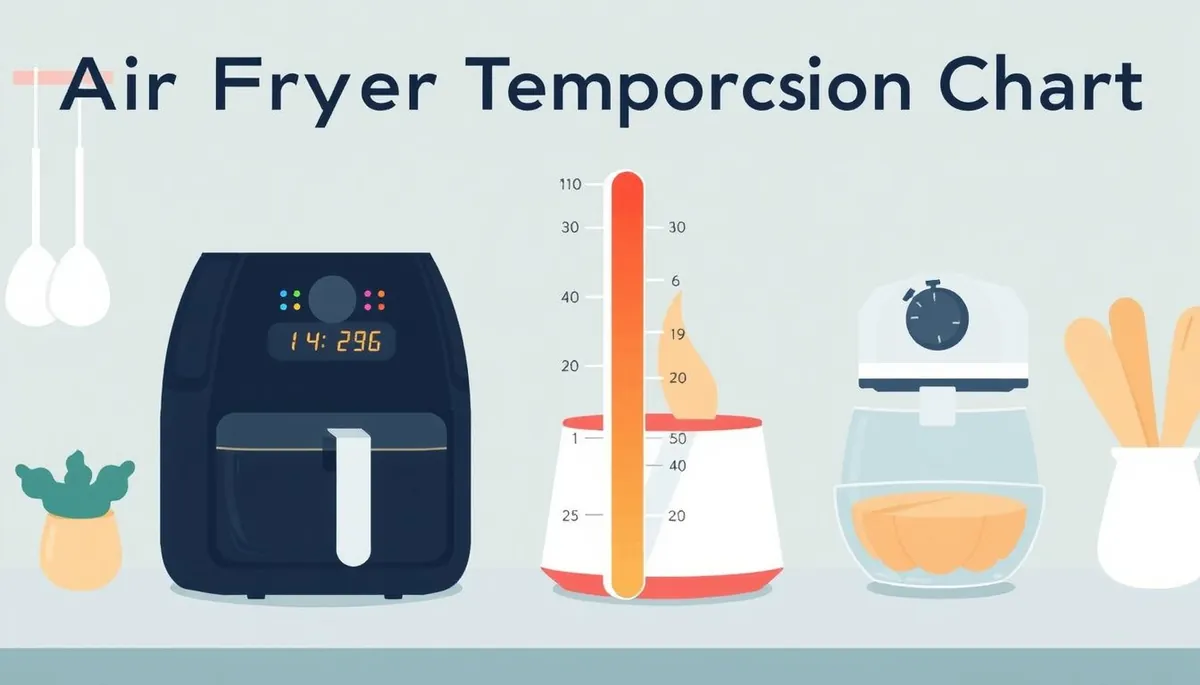
Navigating the world of air frying can feel like learning a new language, especially when you’re used to traditional oven cooking. One of the biggest hurdles is figuring out the right temperature and cooking time conversions. Air fryers cook faster and more efficiently than ovens, so simply using the same settings will almost always lead to overcooked or burnt food. This guide provides a practical air fryer temperature conversion chart and tips to help you master air frying without the guesswork.
Air Fryer vs. Oven: Understanding the Difference
Phone cases · Sponsored · 15% off first order
Phone Case Gift — They pick the model · 2 minutes Code FIRST15GIFT
Before diving into the chart, it’s crucial to understand why air fryers and ovens require different temperature settings. Ovens heat food by circulating hot air around it, a slower process than air frying. Air fryers, on the other hand, use rapid air circulation within a compact space, resulting in faster cooking times and crispier results.
Think of your oven as a marathon runner and your air fryer as a sprinter. Both can cover the same distance (cook the food), but one does it much faster. Because of this speed difference, you typically need to reduce both the temperature and cooking time when adapting oven recipes for the air fryer.
Why Air Fryers Cook Faster
- Concentrated Heat: Air fryers have a smaller cooking area, concentrating the heat more efficiently around the food.
- Rapid Air Circulation: The high-speed fan circulates hot air at a much faster rate than in a conventional oven, promoting even cooking and crisping.
- Proximity to Heating Element: Food is generally closer to the heating element in an air fryer, further accelerating the cooking process.
Air Fryer Temperature Conversion Chart
This chart provides a general guideline for converting oven temperatures to air fryer temperatures. Remember that these are starting points, and you may need to adjust them based on your specific air fryer model and the type of food you’re cooking. Always check for doneness a few minutes before the suggested time.
| Oven Temperature (°F) | Air Fryer Temperature (°F) | Reduce Cooking Time By | Notes |
|---|---|---|---|
| 250°F | 225°F | 20% | Use for slow-roasting or dehydrating. Monitor closely to prevent over-drying. |
| 300°F | 275°F | 20% | Suitable for delicate items like baked goods or slow-cooked meats. |
| 325°F | 300°F | 20% | Good for roasting vegetables or reheating leftovers. |
| 350°F | 325°F | 20% | A common temperature for many recipes. Check for even browning. |
| 375°F | 350°F | 20% | Ideal for crispy chicken or potatoes. |
| 400°F | 375°F | 20% | Works well for frozen foods or items that require a high temperature for crisping. |
| 425°F | 400°F | 20% | Use for achieving a very crispy exterior, such as on chicken wings. |
| 450°F | 425°F | 20% | This high temperature is best for quick cooking and maximum crispness. Be extra careful to prevent burning. Always watch the food closely. |
Important Considerations:
- Preheating: Always preheat your air fryer for optimal results. Most models require 3-5 minutes of preheating.
- Food Placement: Avoid overcrowding the air fryer basket. Cook in batches if necessary to ensure even cooking and crisping.
- Shaking/Flipping: For even cooking, shake the basket or flip the food halfway through the cooking time.
- Internal Temperature: Always use a meat thermometer to ensure that meats and poultry reach a safe internal temperature.
- Recipe Specifics: Some recipes may require more or less adjustment depending on their ingredients and cooking method.
Converting Cooking Times
As a general rule, reduce the cooking time by approximately 20% when converting from an oven to an air fryer. For example, if a recipe calls for baking chicken for 30 minutes in the oven, start with 24 minutes in the air fryer (30 minutes x 0.8 = 24 minutes). Check for doneness at the earlier time and adjust as needed.
Tips for Successful Air Frying Conversions
Phone cases · Sponsored · 15% off first order
Titan Case — Precision fit · 2,000+ designs Code FIRST15TIT
Mastering air fryer temperature conversion requires more than just following a chart. Here are some practical tips to help you achieve perfect results:
Start Low and Go Slow
It’s always better to undercook than overcook. Begin with a lower temperature and shorter cooking time than you think you need, and then add more time as necessary. This will prevent burning and ensure that your food is cooked to perfection.
Monitor Your Food Closely
Air fryers cook quickly, so it’s important to keep a close eye on your food. Check for doneness frequently, especially during the last few minutes of cooking. Use a meat thermometer to ensure that meats and poultry reach a safe internal temperature.
Adjust for Food Density
Dense foods like potatoes or thick cuts of meat may require longer cooking times than lighter foods like vegetables or fish. Adjust the cooking time accordingly, and consider cutting dense foods into smaller pieces to promote even cooking.
Consider the Fat Content
Foods with higher fat content tend to cook faster and crisp better in an air fryer. The fat renders out and helps to create a crispy exterior. If you’re cooking a lean protein, consider adding a small amount of oil to the surface to promote browning and crisping.
Experiment and Take Notes
The best way to master air fryer temperature conversion is to experiment and take notes. Keep track of the temperatures and cooking times that work best for different recipes. This will help you develop a personalized guide that you can refer to in the future.
Troubleshooting Common Air Frying Issues
Even with the best conversion chart, you might encounter some common air frying issues. Here’s how to troubleshoot them:
Food is Burning
- Reduce the temperature by 25°F and shorten the cooking time.
- Make sure you’re not overcrowding the basket.
- Ensure that your air fryer is properly preheated.
Food is Undercooked
- Increase the cooking time by a few minutes.
- Raise the temperature by 25°F.
- Make sure your air fryer is properly preheated.
Food is Dry
- Add a small amount of oil to the food before cooking.
- Don’t overcook the food. Check for doneness frequently.
- Consider marinating the food before air frying.
Food is Not Crispy
- Make sure you’re not overcrowding the basket.
- Increase the temperature slightly.
- Consider patting the food dry before air frying. Excess moisture can prevent crisping.
Air frying is a fantastic way to prepare food quickly and efficiently. By understanding the differences between air fryers and ovens, using a temperature conversion chart, and following these tips, you can confidently adapt your favorite recipes for the air fryer and enjoy delicious, crispy results every time. Remember to always prioritize food safety by using a meat thermometer and following recommended internal temperature guidelines.
Our picks worth a closer look
Phone cases · Sponsored · 15% off first order
Phone Cases For Charity — Every case supports a cause Code GIVE10
- Dawn Ultra Dish Soap, Original Scent, 75 fl oz (2-Pack)Check on Amazon → — see current price and specs.
- Scott 1000 Sheets Per Roll Toilet Paper, 36 RollsCheck on Amazon → — see current price and specs.
- Amazon Basics AA Performance Alkaline Batteries, 48-CountCheck on Amazon → — see current price and specs.
- Tide PODS Laundry Detergent Soap Pods, Original Scent, 112 CountCheck on Amazon → — see current price and specs.
