KitchenWise is reader-supported. When you buy through links on our site, we may earn an affiliate commission.
Best Cutting Board Material: Wood vs. Plastic vs. Composite
Phone cases · 15% off first order
Phone Case GiftThey pick the model · 2 minutes Code FIRST15GIFT
Choosing the right cutting board material is crucial for food safety, knife maintenance, and overall kitchen convenience. The three main contenders are wood, plastic, and composite, each with distinct advantages and disadvantages. Here’s a breakdown based on our experience chopping, slicing, and dicing day in and day out.
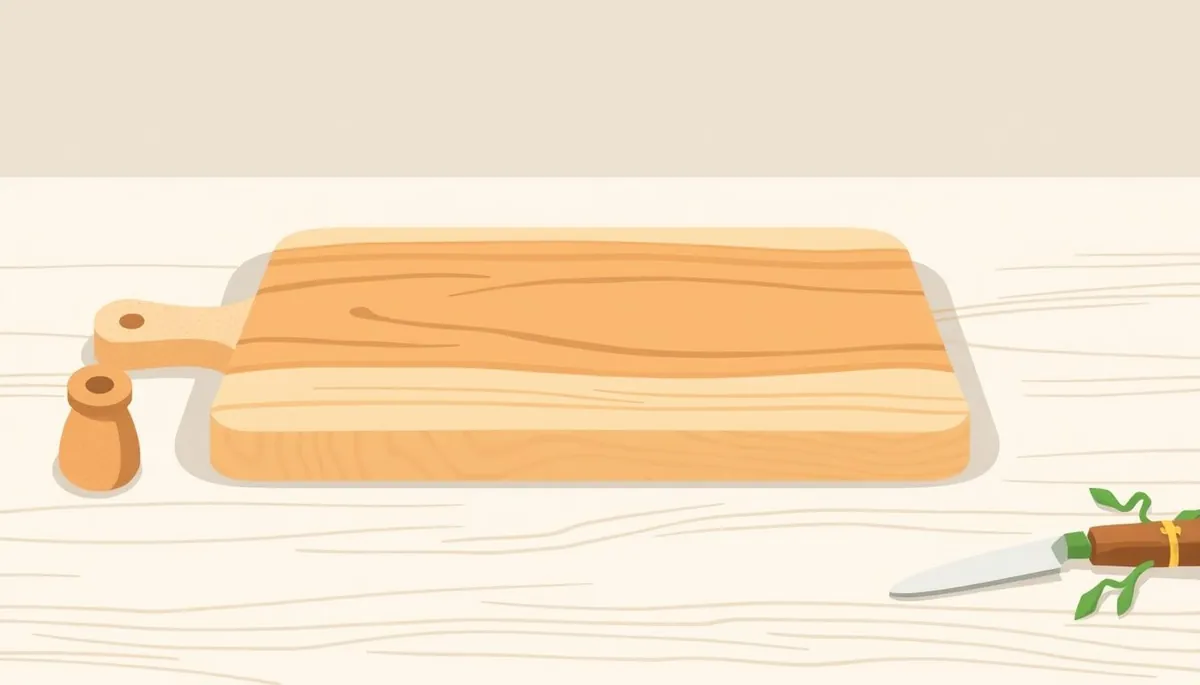
Wood Cutting Boards: Classic and Kind to Knives
Wood cutting boards are a favorite among chefs for good reason. They offer a balance of durability, aesthetics, and knife-friendliness that is hard to beat.
Pros:
- Knife Friendliness: Wood has a natural give that helps preserve the sharpness of your knives. A softer wood like maple is gentler than plastic or glass.
- Aesthetics: A well-maintained wooden cutting board adds a touch of warmth and elegance to any kitchen.
- Self-Healing Properties: Wood possesses natural antimicrobial properties. While not a substitute for proper cleaning, the wood fibers can close up after being cut, reducing the chance of bacteria growth compared to plastic.
- Durability: With proper care, a quality wooden cutting board can last for years, even decades. Oiling with mineral oil every 2-4 weeks prevents drying and cracking.
Cons:
- Maintenance: Wood requires regular oiling and occasional cleaning with a mild soap and water solution. Avoid soaking it in water, as this can cause warping or cracking.
- Cost: Generally more expensive than plastic options.
- Weight: Can be heavy and difficult to maneuver, especially larger boards.
- Staining: Prone to staining from beets, berries, and other strongly colored foods.
Types of Wood:
- Maple: A popular choice for its hardness, durability, and knife-friendliness.
- Walnut: A beautiful, darker wood that is also quite durable.
- Cherry: Another attractive option with good durability.
- Bamboo: Technically a grass, bamboo is a sustainable option that is hard and durable. However, some bamboo boards can be harder on knives than maple or walnut.
Plastic Cutting Boards: Affordable and Easy to Clean
Plastic cutting boards are a budget-friendly and convenient option for many home cooks.
Pros:
- Affordability: Generally the least expensive option.
- Easy to Clean: Can be easily cleaned in the dishwasher.
- Non-Porous: Resistant to absorbing odors and stains.
- Variety: Available in a wide range of colors and sizes, making it easy to designate different boards for different food types (e.g., raw meat, vegetables).
Cons:
- Hard on Knives: Plastic is harder than most woods which can dull knives faster.
- Scratching: Prone to deep scratches and grooves that can harbor bacteria. Replacing frequently is recommended.
- Environmental Impact: Plastic is not biodegradable and contributes to plastic waste.
- Can Warp: Thin plastic boards can warp in the dishwasher.
Types of Plastic:
- Polyethylene (PE): The most common type of plastic used for cutting boards.
- Polypropylene (PP): Another common type of plastic that is slightly more durable than polyethylene.
Composite Cutting Boards: The Best of Both Worlds?
Composite cutting boards, typically made from a blend of wood fibers and resin, attempt to combine the benefits of both wood and plastic.
Pros:
- Durability: More durable and less prone to warping than plastic boards.
- Knife Friendly (Usually): Some composite boards are designed to be gentler on knives than plastic. Check reviews before buying.
- Low Maintenance: Often dishwasher-safe and require less oiling than wood boards.
- Sustainable Options: Some composite boards are made from recycled materials.
Cons:
- Can Be Expensive: Higher priced than plastic, sometimes approaching the cost of wood.
- Variable Quality: The quality can vary greatly depending on the brand and materials used.
- May Still Dull Knives: Composite materials can still be harder on knives compared to softer woods.
Hygiene: A Critical Factor
Regardless of the material, proper hygiene is essential when using a cutting board.
- Separate Boards: Use separate cutting boards for raw meat, poultry, and seafood to prevent cross-contamination. Color-coded boards can help.
- Thorough Cleaning: Wash cutting boards thoroughly with hot, soapy water after each use. For wood boards, avoid soaking in water.
- Sanitize Regularly: Periodically sanitize cutting boards with a diluted bleach solution (1 tablespoon of bleach per gallon of water). Let the solution sit on the board for a few minutes before rinsing thoroughly.
- Replace When Necessary: Replace cutting boards when they become heavily scratched, grooved, or warped.
Which Material is Right for You?
The best cutting board material depends on your individual needs and preferences.
- For the Serious Cook: If you value knife sharpness and aesthetics, a high-quality wooden cutting board is a worthwhile investment. Consider maple, walnut, or cherry. Regular maintenance is key.
- For the Budget-Conscious: Plastic cutting boards are an affordable and convenient option. Replace them regularly to maintain hygiene.
- For Low Maintenance: Composite boards offer a good compromise between durability, knife-friendliness, and ease of cleaning. Look for highly-rated options with good reviews.
Consider complementing your favourite board with a smaller plastic board for quick tasks like slicing citrus or chopping herbs. If you’re setting up a new kitchen, take a look at our cookware setup checklist for beginners.