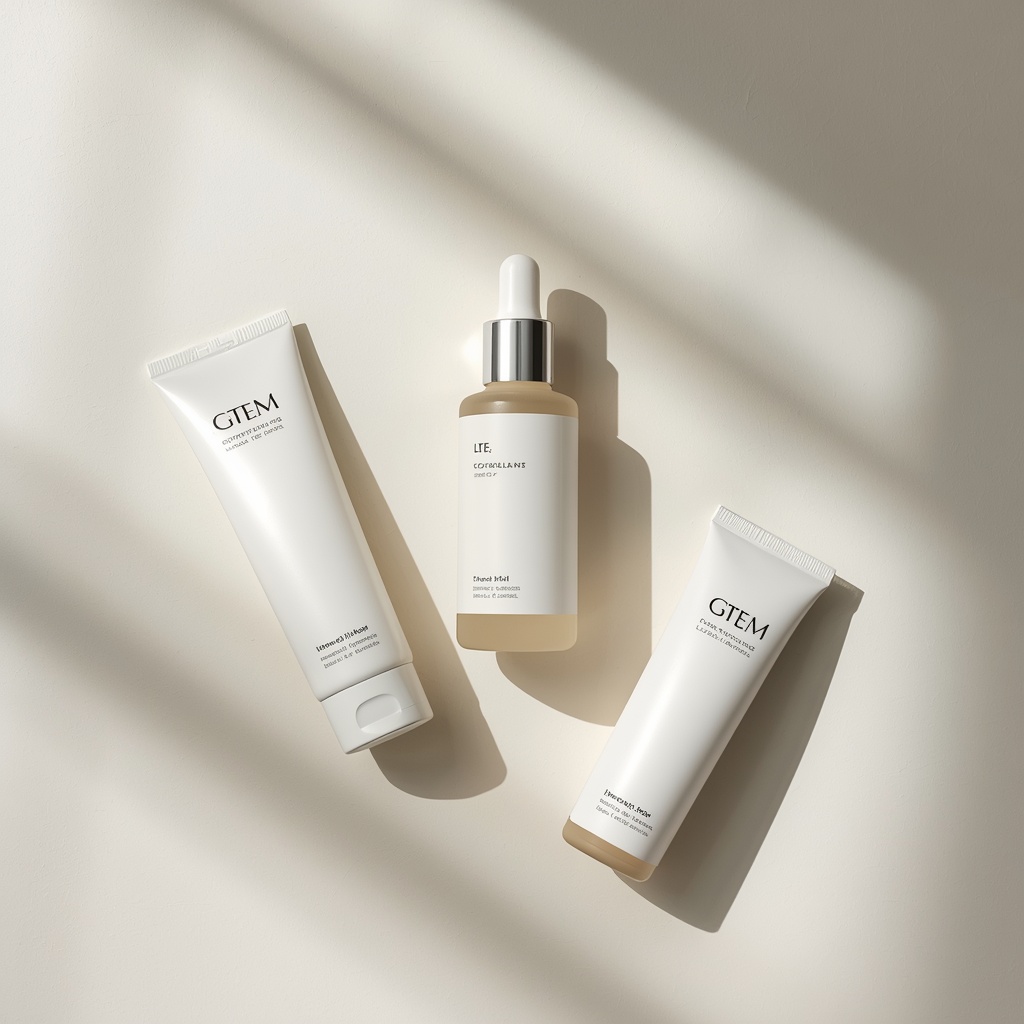
Best Refillable Sunscreens for Eco-Conscious Consumers
If you’re trying to reduce your single-use plastic waste while protecting your skin, choosing a refillable sunscreen is a smart move—provided you know what to look for. Many so-called “refillable” sunscreens still pack in new plastic or come from brands with limited transparency about ingredients or sustainability. This article reviews the best refillable sunscreen options that actually help cut plastic waste, offer solid sun protection, and prioritize ingredient transparency.
See also: How to Choose Refillable Deodorants That Actually Work
What Makes a Sunscreen Refillable and Eco-Friendly?
Phone cases · Sponsored · 15% off first order
Phone Case Gift — They pick the model · 2 minutes Code FIRST15GIFTRefillable sunscreens go beyond standard spray or pump bottles by offering ways to cut down on single-use packaging:
- Refill cartridges or pouches replace entire bottles rather than single-dose inserts.
- Durable, reusable containers designed to last months or years.
- Concentrated formulas reduce volume and packaging.
- Ingredient transparency and reef-safe certification add health and ecosafety credibility.
Not all “refill” claims translate into real environmental benefit. For example, if the refill packaging is still a bulky plastic bottle or the product only refills a small portion of a container, waste savings are limited.
How Refill Systems Work
1. Cartridge-Based Refill:
Reusable sunscreen bottles that accept sealed, branded cartridges to minimize waste. Usually sold via subscription or retail.
2. Pouch or Sachet Refills:
Flexible, lightweight pouches designed to pour or pump sunscreen into a durable bottle. These pouches use significantly less plastic than rigid bottles.
3. Concentrated Refill:
Highly concentrated sunscreen formula that users dilute with water or other ingredients inside a reusable container, cutting packaging volume.
Top 5 Refillable Sunscreen Solutions for Eco-Conscious Buyers
Phone cases · Sponsored · 15% off first order
Titan Case — Precision fit · 2,000+ designs Code FIRST15TIT| Rank | Refill System Type | Packaging Type | Ingredient Transparency | Price per oz (refill) | Waste Reduction Potential | Suitable for Broad Spectrum Use | Notes |
|---|---|---|---|---|---|---|---|
| 1 | Pouch Refill | Durable pump bottle + pouch | High (full ingredient list available) | Low to Moderate | High (75%+ plastic reduction) | Yes | Lightweight, easy to store and ship |
| 2 | Cartridge Refill | Hard bottle + sealed cartridge | Moderate | Moderate | Moderate (50-60%) | Yes | More expensive, but convenient cartridge swap |
| 3 | Concentrated Formula | Reusable bottle + concentrate sachet | Very High | Low | Very High (over 80%) | Yes | Requires mixing, great for minimalists |
| 4 | Bulk Refill Station | Bring your containers to refill | Varies | Lowest | Highest (near-zero packaging waste) | Varies | Location-dependent, often refill events |
| 5 | DIY Formulation Kits | Reusable containers + DIY ingredients | High | Low | Very High | Depends on recipe | Best for hands-on consumers, requires caution |
Why Ingredient Transparency Matters
Sunscreens are topical and applied daily, so knowing the ingredients is critical not only for health reasons but also to ensure environmental safety:
- Avoid chemical filters harmful to coral reefs like oxybenzone and octinoxate.
- Choose mineral sunscreens (zinc oxide, titanium dioxide) with non-nano particles.
- Look for third-party certifications (e.g., EWG, NSF).
- Transparency allows consumers to avoid allergens and irritants.
Eco-conscious brands openly publish full ingredient lists, disclose sourcing, and avoid proprietary “fragrance” or “blend” sections that obscure content.
Cost Breakdown: Refillable vs. Standard Sunscreen
Phone cases · Sponsored · 15% off first order
Phone Cases For Charity — Every case supports a cause Code GIVE10At first glance, refillables often have a higher upfront cost for the durable bottle or dispenser. However, analyzing the cost per ounce over multiple uses reveals refill systems can be more affordable or price-competitive thanks to less packaging and less waste:
- Standard bottle: $12 for 6 oz = $2/oz but fully discarded each time
- Refill bottle + pouch: $18 initial for 6 oz bottle + pouch refills at $10 for 6 oz = approx $1.75/oz after 1 refill
- Cartridge system: $20 bottle + $12 cartridge = approx $2.20/oz but with reduced waste
- Concentrate sachet: $8 sachet + $15 reusable bottle, sachets yield 8 oz finished = $1/oz after 1 refill
Economically, refillables make more sense the longer you keep the reusable container and reuse refills multiple times.
Common Pitfalls and How to Avoid Them
- Partial refills that don’t cover whole bottle volume: Only count as minimal waste reduction.
- Hidden plastic in refill packaging: Look for minimal plastic multilayer pouches and avoid rigid bottles labeled “refill” but still plastic-heavy.
- Low SPF or incomplete protection: Some refillable sunscreens offer only SPF 30 or lack broad UVA/UVB coverage.
- Limited ingredient transparency: Avoid systems that don’t provide full, detailed ingredient lists.
- Expensive replacement cartridges without bulk refill option: Can raise ongoing costs and reduce environmental benefit.
Who Should Consider Refillable Sunscreens?
- Households committed to zero-waste or reduced-plastic living.
- Outdoor enthusiasts seeking long-term sun protection without daily packaging waste.
- Families with sensitive skin who want to avoid constant formulation changes.
- Budget-conscious buyers looking for cost savings over time.
- Reef advocates prioritizing ingredient safety alongside plastic reductions.
Tips for Using Refillable Sunscreens Effectively
- Keep your bottle clean: Regular rinsing to prevent buildup or contamination.
- Track refill schedules: Avoid running out by buying refills ahead.
- Store refills properly: Cool, dry places extend shelf life.
- Check expiry dates: Particularly for concentrated or chemical formulas.
- Recycle refill pouches/packaging: Follow local guidelines for multi-material packaging.
Top Picks