KitchenWise is reader-supported. When you buy through links on our site, we may earn an affiliate commission.
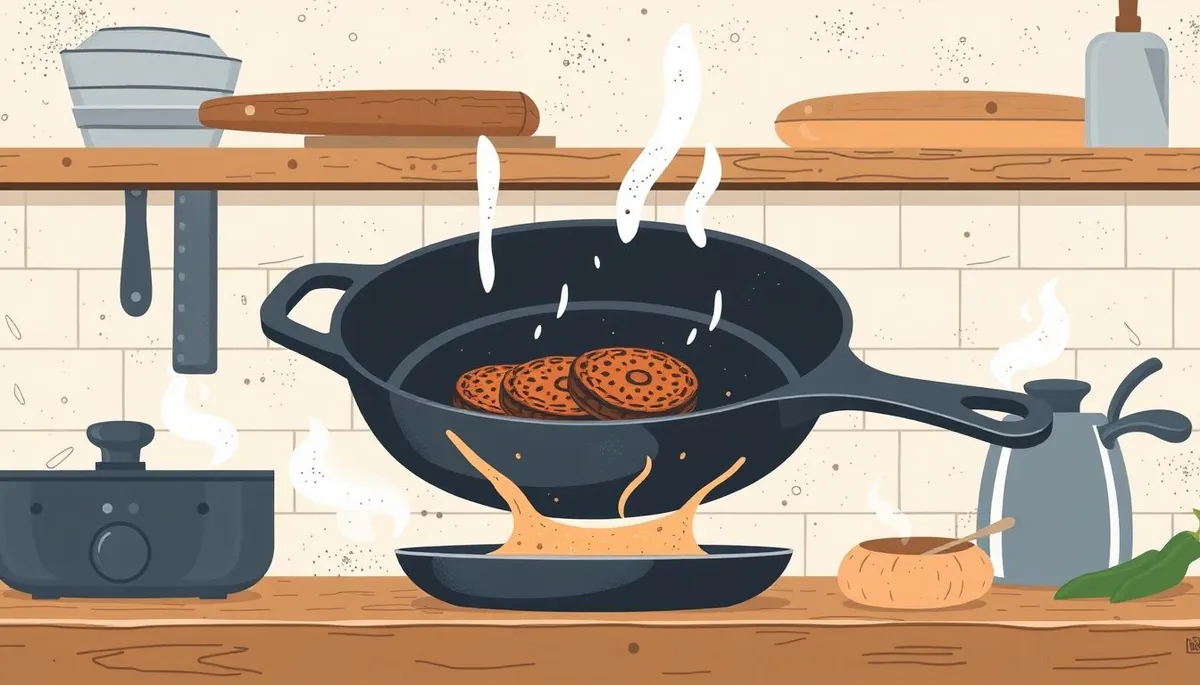
Cast iron skillets are workhorses in the kitchen, capable of searing steaks, baking cornbread, and everything in between. Their durability is legendary, but that durability depends on proper care. Neglect your cast iron, and you’ll be battling rust and struggling with food sticking. This guide will walk you through essential cast iron maintenance techniques, ensuring your skillet remains a reliable companion for decades to come.
The Importance of Seasoning and Preventing Rust
Phone cases · 15% off first order
Phone Case GiftThey pick the model · 2 minutes Code FIRST15GIFT
Seasoning is the foundation of cast iron care. It’s the process of baking layers of oil onto the surface of the pan, creating a non-stick patina that also protects the iron from rust. Rust is cast iron’s enemy, and it forms when iron is exposed to moisture and oxygen. A well-seasoned skillet resists rust, makes cooking easier, and even improves the flavor of your food over time.
Understanding Seasoning
Seasoning isn’t just about applying oil; it’s about polymerization. When oil is heated to a high temperature, it breaks down and forms a hard, plastic-like coating that bonds to the iron. This coating is what gives cast iron its non-stick properties and protects it from rust. Think of it like a naturally non-stick polymer, unlike the synthetic coatings that can flake off cheaper pans.
Why Rust Forms
Even seemingly dry environments contain enough moisture to cause rust. Tiny scratches or imperfections in the seasoning can expose the bare iron, leading to rust formation. Improper cleaning and storage are also common culprits. Leaving a cast iron skillet wet, even for a short period, can quickly lead to surface rust.
Cleaning Your Cast Iron Skillet
Proper cleaning is crucial for maintaining your cast iron’s seasoning and preventing rust. Avoid harsh detergents and abrasive scrubbers, as these can strip away the seasoning.
The Right Way to Clean
- Immediately After Use: Clean your skillet as soon as it cools down enough to handle. Waiting allows food particles to harden, making them harder to remove.
- Scrape Away Food: Use a spatula or scraper to remove any stuck-on food. For stubborn bits, try adding a tablespoon of coarse salt and scrubbing with a paper towel or a stiff brush.
- Wash with Hot Water: Rinse the skillet with hot water. If necessary, use a small amount of mild dish soap. We generally avoid soap unless the skillet is particularly greasy, as it can degrade the seasoning over time.
- Dry Thoroughly: This is the most critical step. Immediately dry the skillet with a clean towel. Don’t let it air dry, as this will almost certainly lead to rust.
- Heat and Oil (Optional): Place the skillet on the stovetop over medium heat for a few minutes to ensure it’s completely dry. Then, add a teaspoon of high-smoke-point oil (like vegetable, canola, or grapeseed oil) and rub it into the entire surface of the skillet, inside and out. Wipe away any excess oil with a clean cloth. The goal is a very thin, almost imperceptible layer of oil.
What to Avoid
- Dishwashers: Dishwashers are a definite no-no. The high heat and harsh detergents will strip the seasoning and cause rust.
- Abrasive Scrubbers: Steel wool or abrasive scouring pads can scratch the surface of your cast iron, damaging the seasoning.
- Prolonged Soaking: Soaking your cast iron in water for extended periods is a recipe for rust.
Removing Rust and Re-seasoning
Phone cases · 15% off first order
Titan CasePrecision fit · 2,000+ designs Code FIRST15TIT
If your cast iron skillet has already developed rust, don’t despair. It can be salvaged with a little effort.
Removing Rust
- Scrub Away the Rust: Use steel wool or a rust eraser to scrub away the rust. Focus on the affected areas, but it’s generally a good idea to remove all the existing seasoning to start fresh.
- Wash and Dry: Wash the skillet with soap and water to remove any remaining rust particles. Dry it thoroughly with a towel.
- Oven Re-seasoning: This is the most effective way to re-season a cast iron skillet.
- Preheat your oven to 450°F (232°C).
- Apply a thin layer of high-smoke-point oil to the entire skillet, inside and out.
- Wipe away any excess oil with a clean cloth. The skillet should appear almost dry.
- Place the skillet upside down on the middle rack of your oven.
- Place a baking sheet on the rack below to catch any drips.
- Bake for one hour.
- Turn off the oven and let the skillet cool completely inside the oven. This allows the oil to fully polymerize.
- Repeat this process 2-3 times to build up a good base layer of seasoning.
Stove Top Seasoning
While oven seasoning is generally more effective, you can also season your cast iron on the stovetop. This is a good option for touch-ups or maintaining the seasoning between oven re-seasoning sessions.
- Heat the Skillet: Place the skillet on the stovetop over medium heat.
- Apply Oil: Add a teaspoon of high-smoke-point oil to the skillet and rub it into the entire surface.
- Wipe Away Excess: Wipe away any excess oil with a clean cloth.
- Heat Until Smoking: Continue heating the skillet until it starts to smoke lightly.
- Cool and Repeat: Let the skillet cool slightly and repeat the process several times.
Storage Tips for Long-Term Maintenance
Proper storage is just as important as cleaning and seasoning.
Preventing Moisture
- Dry Thoroughly: Ensure your cast iron skillet is completely dry before storing it.
- Apply a Thin Layer of Oil: Before storing, apply a very thin layer of oil to the surface of the skillet. This will help prevent rust from forming.
- Store in a Dry Place: Store your cast iron skillet in a dry place, away from moisture. Avoid storing it in a damp basement or near a sink.
Avoiding Scratches
- Protect the Surface: Place a paper towel or cloth between your cast iron skillet and other cookware to prevent scratches.
- Hang It Up: If possible, hang your cast iron skillet on a wall or pot rack. This will keep it dry and prevent it from being scratched by other items.
Dealing with Humidity
If you live in a humid environment, you may need to take extra precautions to prevent rust.
- Use a Dehumidifier: Consider using a dehumidifier in your kitchen or pantry to reduce the amount of moisture in the air.
- Store with Silica Gel Packets: Place silica gel packets inside the skillet when storing it. These packets will absorb moisture and help prevent rust.
Cast iron skillets are built to last, and with proper care, yours can become a cherished heirloom. By following these simple maintenance tips, you can keep your cast iron skillet seasoned, rust-free, and ready for decades of cooking. And if you’re in the market for a new skillet, be sure to check out our guide to the [Best cast iron skillet in 2026].