KitchenWise is reader-supported. When you buy through links on our site, we may earn an affiliate commission. It’s how we keep the lights on and the cast iron seasoned. Thanks for your support.
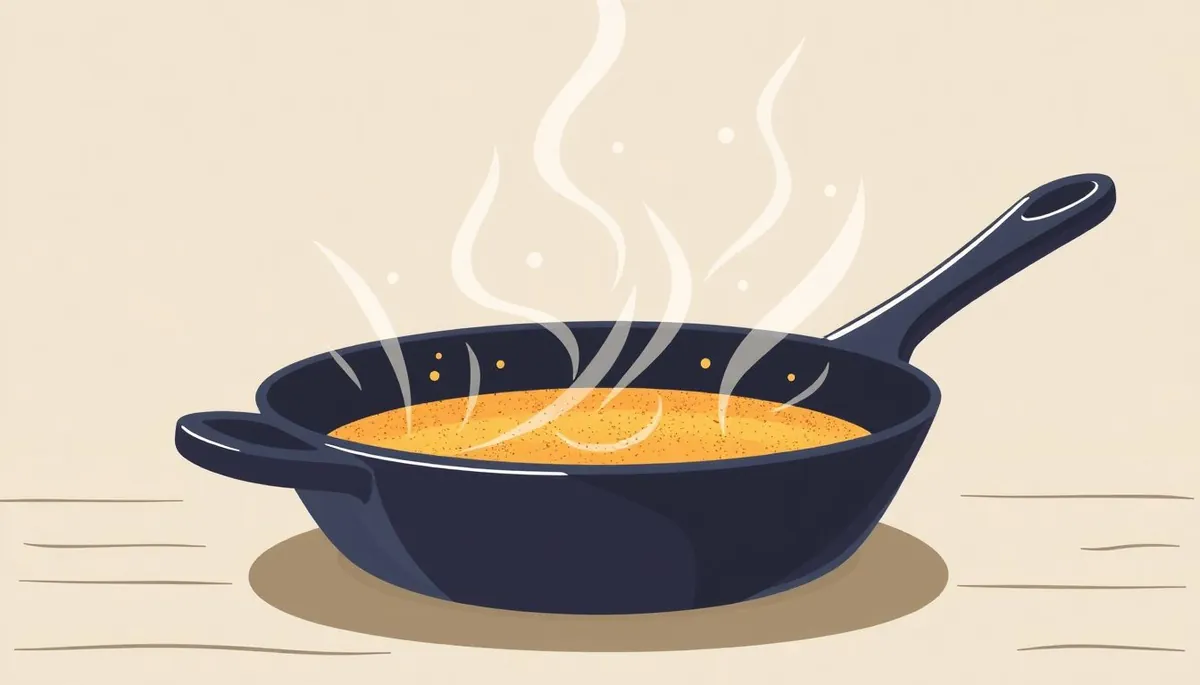
So, you’ve got a brand-new (or maybe a slightly neglected) cast iron skillet. You’re ready for perfectly seared steaks, golden cornbread, and maybe even a skillet cookie or two. But first, you need a good layer of cast iron skillet seasoning.
Seasoning is the process of baking thin layers of oil onto your cast iron, creating a smooth, non-stick, and rust-resistant surface. But it’s easy to make mistakes that lead to sticky spots, uneven coloring, or even a complete seasoning meltdown. We’ve seen it all after cooking daily with cast iron for years. Here are five common cast iron skillet seasoning mistakes and, more importantly, how to avoid them.
1. Using the Wrong Oil (or Too Much Of It)
Phone cases · 15% off first order
Phone Case GiftThey pick the model · 2 minutes Code FIRST15GIFT
This is probably the most frequent culprit behind sticky, gummy seasoning. Not all oils are created equal when it comes to seasoning cast iron.
Why Some Oils Fail
- High Unsaturated Fat Content: Oils high in unsaturated fats (like olive oil, flaxseed oil, and even some vegetable oils) tend to polymerize poorly. Polymerization is the chemical process where the oil molecules bond together to form the hard, plastic-like coating that is seasoning. Unsaturated fats can stay sticky and never fully harden. We’ve personally ruined a few pans experimenting with “healthy” oils!
- Low Smoke Point: Oils with low smoke points can burn and create a sticky residue before they properly polymerize.
The Best Oils for Cast Iron Skillet Seasoning
- Refined Coconut Oil: Our personal favorite. It has a high smoke point and polymerizes well. Refined coconut oil doesn’t impart a coconut flavor, unlike unrefined versions.
- Canola Oil: Readily available and relatively inexpensive, canola oil works well for many home cooks.
- Grapeseed Oil: Another good option with a high smoke point and neutral flavor.
- Crisco (Vegetable Shortening): An old-school choice that still works effectively.
The Critical Step: Applying a Microscopic Layer
Even with the right oil, too much will lead to a sticky mess. The goal is a barely-there layer. Here’s how to achieve it:
- Apply a small amount of oil (about a teaspoon for a 12-inch skillet) to the entire surface, inside and out, including the handle.
- Rub it in thoroughly with a clean cloth or paper towel.
- Wipe it all off with a fresh, clean cloth. Yes, you read that right. Wipe it off as if you made a mistake and are trying to undo it. You want the thinnest possible layer. Think of it as filling in the microscopic pores of the iron.
The skillet should appear almost dry. This is the key to a smooth, hard seasoning.
2. Incorrect Oven Temperature
Oven temperature plays a crucial role in the polymerization process. Too low, and the oil won’t properly convert into a hardened layer. Too high, and you risk burning the oil and creating a sticky, uneven finish.
The Sweet Spot: Around the Smoke Point
The ideal oven temperature is slightly above the smoke point of the oil you’re using. This encourages the oil to break down and polymerize effectively.
- Refined Coconut Oil: 450°F (232°C)
- Canola Oil: 400°F (204°C)
- Grapeseed Oil: 400°F (204°C)
- Crisco: 375°F (190°C)
Verify Your Oven’s Accuracy
Oven temperatures can vary, so it’s a good idea to verify yours with an oven thermometer. A cheap thermometer can save you from a lot of frustration. If your oven runs hot or cold, adjust the temperature accordingly.
3. Insufficient Baking Time
Phone cases · 15% off first order
Titan CasePrecision fit · 2,000+ designs Code FIRST15TIT
Patience is a virtue, especially when seasoning cast iron. Rushing the baking process can result in a weak, uneven seasoning that’s prone to chipping and flaking.
The Recommended Baking Time
We recommend baking your cast iron skillet for at least one hour. Some people even go for 90 minutes or two hours.
The Cooling Process: Just as Important
Don’t be tempted to pull the skillet out of the oven as soon as the timer goes off. Turn off the oven and let the skillet cool completely inside. This gradual cooling process allows the polymerized oil to fully harden and bond to the iron. It also reduces the risk of warping, especially with older or thinner cast iron.
4. Neglecting the First Few Uses
Seasoning isn’t a one-time event; it’s an ongoing process. The first few times you use your freshly seasoned skillet are crucial for building up a strong, durable layer.
Cook with Fat
Foods cooked with fat (bacon, sausage, frying chicken) will contribute to the seasoning process. The fat helps to further polymerize and create a smoother surface. Avoid cooking acidic foods like tomatoes or lemon juice in your freshly seasoned skillet, at least initially. Acid can strip away the seasoning.
Gentle Cleaning is Key
After cooking, clean your skillet gently with warm water and a non-abrasive sponge or cloth. Avoid using harsh soaps or scouring pads, which can damage the seasoning. Dry the skillet thoroughly with a clean towel and then place it on a burner over low heat for a few minutes to ensure it’s completely dry. Finally, apply a very thin layer of oil and let it cool.
5. Storing Your Cast Iron Skillet Incorrectly
Phone cases · 15% off first order
Phone Cases For CharityEvery case supports a cause Code GIVE10
Proper storage is essential for preventing rust and maintaining your skillet’s seasoning.
The Enemy: Moisture
Rust is the biggest threat to cast iron. Always ensure your skillet is completely dry before storing it.
Stack with Care
If you stack your cast iron skillets, place a layer of paper towels or felt pads between them to prevent scratching and chipping.
A Dedicated Storage Spot
Store your cast iron skillet in a dry place, ideally in a cabinet or on a shelf where it’s not exposed to moisture. Avoid storing it in a damp basement or garage. A little extra care in storage prolongs the life of your /products/cast-iron investment.
By avoiding these common mistakes and following the tips above, you can achieve a beautiful, durable cast iron skillet seasoning that will last for years. With a little patience and attention to detail, you’ll be well on your way to cooking delicious meals in a skillet that only gets better with age. And remember, even if you mess up a seasoning attempt, you can always strip the pan and start over. Don’t be discouraged!