KitchenWise is reader-supported. When you buy through links on our site, we may earn an affiliate commission. It’s how we keep the lights on and the oven hot, allowing us to purchase and rigorously test every product we recommend.
Is a pizza stone worth it? For years, they’ve been touted as the secret weapon for achieving restaurant-quality pizza at home. But after six months of weekly pizza nights, using both a classic pizza stone and a baking steel, I’ve come to a nuanced conclusion: it depends. It depends on your oven, your expectations, and, frankly, how much you enjoy cleaning up burnt cheese.
Pizza Stone vs. Baking Steel: The Great Bake-Off
Phone cases · 15% off first order
Phone Case GiftThey pick the model · 2 minutes Code FIRST15GIFT
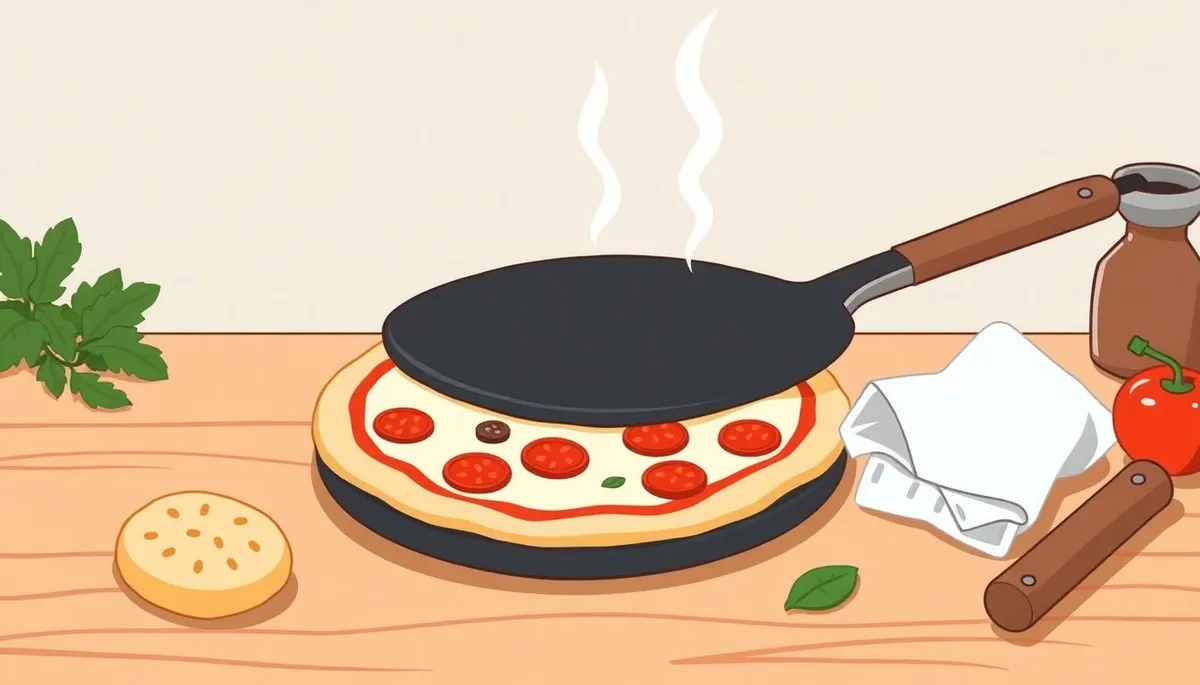
The promise of a pizza stone is simple: preheat it in your oven, slide your raw pizza onto it, and the stone’s retained heat will deliver a crispy crust and perfectly melted toppings. Baking steels offer a similar promise, but with a key difference: they conduct heat more efficiently.
Here’s a breakdown of my experience, comparing the two across crucial categories:
Heat Retention and Recovery
This is where the baking steel shines. During testing, the steel reached temperature about 20% faster than the stone and recovered its temperature (after a pizza was loaded) nearly twice as fast. This translates to a more consistent bake, especially when making multiple pizzas in a row. The stone, while decent, struggled to maintain a high temperature after the second pizza, leading to a slightly softer crust.
Test: I baked five pizzas back-to-back on both the stone and the steel, measuring the crust temperature after each bake. The steel consistently maintained a crust temperature 25-30 degrees Fahrenheit higher than the stone.
Winner: Baking Steel
Crust Crispiness
Both the stone and steel delivered a significant improvement over baking directly on a sheet pan. However, the steel edged out the stone in terms of overall crispiness and char. This is due to its superior heat transfer. The crust cooked more quickly and evenly on the steel, resulting in a more satisfying bite.
Test: Using the same dough and toppings, I baked identical pizzas on each surface. Blind taste tests consistently favored the crust baked on the steel for its crispier texture.
Winner: Baking Steel
Ease of Use and Cleaning
Here’s where the pizza stone claws back some points. The baking steel, while incredibly effective, is heavy – very heavy. Moving it in and out of the oven requires caution and strong arms. The pizza stone, while still bulky, is significantly lighter and easier to handle.
Cleaning is also a factor. Burnt cheese and sauce are inevitable. On the steel, a quick scrape with a metal spatula usually does the trick. The porous surface of the pizza stone, however, tends to absorb grease and odors, requiring more effort to clean. You can scrape burnt bits off, but soaking is generally a no-no, as it can crack the stone.
Test: After multiple pizza-making sessions, I compared the cleaning time and effort required for each surface. The steel consistently took about half the time to clean.
Winner: Pizza Stone
Cost
Generally, pizza stones are more affordable than baking steels. A good quality pizza stone can be found for around $30-$50, while a comparable baking steel will likely cost $70-$120.
Winner: Pizza Stone
Is it Really Worth the Upgrade?
So, is a pizza stone worth it? Absolutely, if you’re currently baking your pizzas on a sheet pan. It’s a noticeable upgrade in terms of crust quality and overall baking performance. You can find affordable options and it will definitely improve your pizza-making experience.
However, if you’re serious about achieving truly restaurant-quality results, or if you regularly bake multiple pizzas, the baking steel is the superior choice. The higher upfront cost is justified by its performance. If you’re upgrading from a sheet pan, a pizza stone is a step up. If you’re upgrading from a pizza stone, a baking steel is the logical next step.
Choosing the Right Pizza Stone (or Steel)
Phone cases · 15% off first order
Titan CasePrecision fit · 2,000+ designs Code FIRST15TIT
If you’re leaning towards a pizza stone, consider these factors:
- Material: Cordierite is generally considered the best material for pizza stones due to its excellent heat resistance and durability. Avoid ceramic stones, as they are more prone to cracking.
- Thickness: A thicker stone will retain more heat, but will also take longer to preheat. Aim for a stone that is at least ½ inch thick.
- Shape: Round or rectangular? It’s largely a matter of personal preference and oven size.
If you decide to go with a baking steel, look for:
- Thickness: ¼ inch is generally sufficient for home ovens. Thicker steels will retain even more heat but will also be heavier and more expensive.
- Material: Carbon steel is the preferred material for baking steels due to its excellent heat conductivity and durability.
- Seasoning: Some baking steels come pre-seasoned, while others require seasoning before use, similar to cast iron. Consider your comfort level with seasoning before making a purchase. See our Carbon steel vs cast iron for more on seasoning.
The Verdict: Pizza Stone or Baking Steel?
After six months of testing, here’s my final recommendation:
- For beginners or occasional pizza makers: A pizza stone is a budget-friendly and convenient way to improve your home pizza game.
- For serious pizza enthusiasts: A baking steel is the ultimate tool for achieving restaurant-quality results at home.
No matter which option you choose, remember to preheat your stone or steel thoroughly before baking, and always use a pizza peel to transfer your pizza to and from the oven. Happy baking! And if you’re looking for other ways to upgrade your kitchen, check out our piece on Best bakeware upgrades for small spaces.