KitchenWise is reader-supported. When you buy through links on our site, we may earn an affiliate commission.
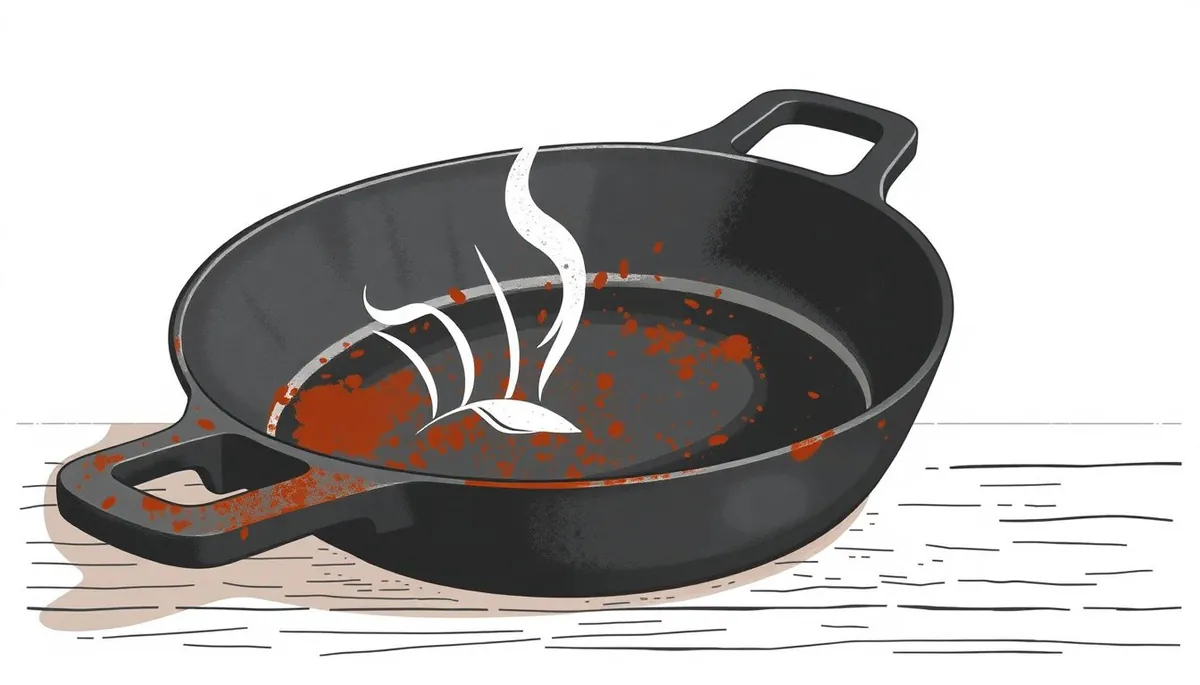
Neglected cast iron. It happens to the best of us. Maybe you inherited a rusty skillet from your grandmother, scored a bargain at a flea market, or simply forgot about that pan in the back of the cupboard. Whatever the reason, a rusty cast iron skillet doesn’t have to be destined for the trash. With a little elbow grease and patience, you can restore it to its former glory and enjoy decades of cooking to come.
Assessing the Damage: Is Your Skillet Salvageable?
Phone cases · 15% off first order
Phone Case GiftThey pick the model · 2 minutes Code FIRST15GIFT
Before you dive into the restoration process, it’s important to determine if your skillet is worth saving. Surface rust is usually harmless and easily removed. However, deep pitting or cracks can compromise the integrity of the pan and make it unsafe to use.
- Surface Rust: This appears as a reddish-brown discoloration on the surface of the iron. It’s usually caused by moisture and can be removed without much effort.
- Deep Rust Pitting: Small, crater-like indentations in the iron. Light pitting can be addressed, but extensive pitting weakens the pan and makes thorough cleaning difficult. Food can get trapped in deep pits, leading to further corrosion and potential bacterial growth.
- Cracks: Any visible cracks, no matter how small, are a serious concern. Cracks can expand with heat, potentially causing the pan to break during cooking. A cracked skillet is generally not safe to restore.
- Warping: If the skillet doesn’t sit flat on a surface, it’s warped. Minor warping might be tolerable, but significant warping can affect cooking performance and heat distribution.
If your skillet has only surface rust or minor pitting, proceed with the restoration. If it’s cracked or severely warped, it’s best to retire it. You can find our current favorite replacement in our guide to the Best Cast Iron Skillet in 2026.
Removing the Rust: Three Proven Methods
There are several ways to remove rust from cast iron, each with its pros and cons. We’ll cover three common and effective methods:
1. The Vinegar Soak
This method uses the acidity of vinegar to dissolve rust. It’s relatively gentle but requires careful monitoring.
- Materials: White vinegar, water, a non-abrasive scouring pad (nylon or Scotch-Brite), rubber gloves, and dish soap.
- Procedure:
- Mix equal parts white vinegar and water in a tub or container large enough to fully submerge the skillet.
- Submerge the skillet in the vinegar solution.
- Check the skillet every 30-60 minutes. The rust should start to loosen.
- Important: Do not soak the skillet for more than 3 hours at a time. Prolonged soaking can damage the iron.
- Remove the skillet and scrub it thoroughly with the non-abrasive scouring pad.
- Rinse with hot water and dry immediately and completely.
- If rust remains, repeat the soaking and scrubbing process.
- Pros: Relatively gentle, uses readily available materials.
- Cons: Requires close monitoring, can damage the iron if soaked for too long.
2. The Steel Wool Scrub
This method involves physically scrubbing the rust away. It’s more aggressive than the vinegar soak but can be effective for stubborn rust.
- Materials: Fine-grade steel wool (grade #00 or #0000), rubber gloves, dish soap, and water.
- Procedure:
- Apply a small amount of dish soap to the skillet.
- Wet the steel wool and begin scrubbing the rusted areas in a circular motion.
- Apply moderate pressure, being careful not to scratch the iron excessively.
- Rinse frequently with hot water to remove rust particles.
- Continue scrubbing until all rust is removed.
- Dry immediately and completely.
- Pros: Effective for removing stubborn rust spots.
- Cons: Can scratch the iron if too much pressure is applied; may require more effort than other methods.
3. Electrolysis (Advanced)
Electrolysis is a more advanced method that uses an electric current to remove rust. It’s highly effective but requires specialized equipment and some technical knowledge. We don’t recommend this method unless you have experience with basic electrical circuits.
- Materials: A plastic container, washing soda (sodium carbonate), a battery charger (12V), a sacrificial anode (a piece of steel or iron), insulated wires, rubber gloves, and water.
- Procedure:
- Dissolve washing soda in water in the plastic container (about 1 tablespoon per gallon of water).
- Submerge the rusty skillet in the solution.
- Connect the positive (+) terminal of the battery charger to the sacrificial anode and the negative (-) terminal to the skillet. Ensure the anode and skillet do not touch.
- Turn on the battery charger. You should see bubbles forming around the skillet.
- Let the electrolysis process run for several hours, checking periodically.
- Remove the skillet, rinse with water, and scrub lightly with a non-abrasive scouring pad.
- Dry immediately and completely.
- Pros: Highly effective for removing even heavy rust.
- Cons: Requires specialized equipment, involves working with electricity, and produces potentially hazardous fumes (ensure proper ventilation).
Re-Seasoning Your Cast Iron: Building a Non-Stick Surface
Phone cases · 15% off first order
Titan CasePrecision fit · 2,000+ designs Code FIRST15TIT
Once the rust is removed, you need to re-season the skillet to protect it from further corrosion and create a non-stick cooking surface. Seasoning involves baking thin layers of oil onto the iron, creating a hard, polymerized coating.
- Materials: High smoke-point oil (e.g., canola, grapeseed, avocado), lint-free cloth or paper towels, and an oven.
- Procedure:
- Clean and Dry: Ensure the skillet is completely clean and dry.
- Apply a Thin Coat of Oil: Pour a small amount of oil into the skillet and rub it thoroughly into every surface, inside and out, including the handle.
- Wipe Off Excess Oil: This is crucial. Use a clean, lint-free cloth or paper towel to wipe off as much oil as possible. The goal is to leave behind only a thin, almost imperceptible layer. Too much oil will result in a sticky, gummy finish.
- Bake the Skillet: Preheat your oven to 450-500°F (232-260°C). Place the skillet upside down on the middle rack of the oven. Place a baking sheet or aluminum foil on the rack below to catch any dripping oil.
- Bake for One Hour: Bake the skillet for one hour.
- Cool Down: Turn off the oven and let the skillet cool completely inside the oven. This allows the seasoning to fully set.
- Repeat: Repeat steps 2-6 at least 3-4 times for a durable and non-stick seasoning.
Tips for Successful Seasoning:
- Use the Right Oil: High smoke-point oils like canola, grapeseed, or avocado oil are ideal for seasoning. Avoid oils with low smoke points, such as olive oil or butter, as they can become sticky at high temperatures.
- Thin Coats are Key: The thinner the coat of oil, the better the seasoning. Thick coats will lead to a sticky, uneven finish.
- Patience is a Virtue: Building a good seasoning takes time and multiple layers. Don’t rush the process.
- Maintenance is Important: After each use, clean your cast iron skillet properly and apply a very thin coat of oil before storing it. See our Storage and maintenance tips for cast-iron for details.
Maintaining Your Restored Cast Iron
Once you’ve restored your cast iron skillet, proper maintenance is essential to keep it in good condition and prevent future rust.
- Cleaning: Clean your cast iron skillet immediately after each use. While some people avoid soap, a small amount of mild dish soap is fine. Use a non-abrasive sponge or brush to remove food particles.
- Drying: Dry the skillet thoroughly with a clean towel. You can also heat it on the stovetop over low heat to ensure it’s completely dry.
- Oiling: After drying, apply a very thin coat of oil to the skillet and rub it in with a cloth or paper towel.
- Storage: Store your cast iron skillet in a dry place. Avoid stacking it with other pans, as this can scratch the seasoning. If you must stack it, place a paper towel or cloth between the pans.
By following these steps, you can restore a rusty cast iron skillet and enjoy its many benefits for years to come. A well-maintained cast iron skillet is a versatile and durable piece of cookware that can last for generations.